Choosing the right digital marketing agency doesn’t start with a Google search. It starts with a hard look in the mirror.
Before you even think about looking at agency websites or scheduling discovery calls, you have to get crystal clear on your own goals and budget. This isn't just busywork; it's the foundation for everything that comes next. It’s what lets you separate the slick talkers from the real performers.
Know Your Destination Before You Hire a Driver
Jumping into agency pitches without a clear destination is like handing someone the keys to your car and just saying, "Drive." You might end up somewhere, but odds are it won't be where you actually needed to go.
The trick is to translate those big, vague objectives into tangible, measurable outcomes. This is where you move from wishful thinking to a real business plan.
A goal like "grow our brand" becomes a specific target, like "increase organic lead conversions from our blog by 20% in the next quarter." Instead of just "more sales," you're aiming for something concrete: "achieve a 4-to-1 return on ad spend for our new product line." This kind of clarity is your compass for the entire process.
From Vague Ideas to Actionable KPIs
Defining your Key Performance Indicators (KPIs) is absolutely non-negotiable. These are the cold, hard numbers that will prove whether your investment is paying off or getting thrown down the drain.
To get started, ask yourself a few questions:
- What's the real problem? Are you bleeding leads? Is your brand invisible online? Are you failing to keep customers around? Pinpoint the core business challenge you need an agency to solve.
- How do customers find you now? Map out the customer journey, from the first time they hear about you to the moment they buy. Where are the friction points? Where do people drop off? An agency can help smooth those out.
- What's a realistic budget? Figure out what you can comfortably invest each month. A good agency won't just try to spend your entire budget; they'll respect it and build a strategy that squeezes every drop of value out of it. For a deeper dive, check out our guide on building a startup digital marketing strategy.
When you do this prep work, you walk into conversations with agencies from a position of power. You’re not just buying a list of services anymore; you’re hiring a strategic partner to help you reach a well-defined destination. This is how you measure true ROI and find a team that feels like a genuine extension of your own.
A well-defined goal is the ultimate filter. When you know precisely what you need to achieve, you can instantly disqualify agencies that don't specialize in that area, saving everyone time and energy.
It’s hard to overstate how critical this internal alignment is. Global digital ad spending is projected to rocket past $1.5 trillion by 2030, yet a shocking 47% of businesses are flying blind without a formal digital marketing strategy.
That gap is a massive opportunity. The companies that do their homework first can partner with agencies that offer true strategic guidance, not just someone to execute tasks. This groundwork ensures that your investment—which can be significant—drives real, measurable growth for your business.
Vetting an Agency's True Expertise and Fit
Every agency website promises the world, but it's your job to peek behind the curtain and find out who can actually deliver. Uncovering a firm’s real strengths means you have to get your hands dirty, scrutinize their past work, and make damn sure their skills line up with your specific goals.
A slick portfolio is just the beginning. Don't get hypnotized by the pretty designs; you need to dig for the results. Ask for case studies that are actually relevant to your industry. If you run a local home services company, a flashy case study for a national e-commerce brand is impressive, but it probably won't do you much good.
Full-Service Generalist or Specialized Boutique
One of your first big decisions is whether to go with a big, do-it-all agency or a smaller, specialized shop. Full-service agencies offer everything under one roof—web design, social media, SEO, you name it. It's convenient, no doubt. But a boutique agency brings deep, almost obsessive expertise in one specific area, like technical SEO or B2B lead generation.
Think of it like this:
- Breadth vs. Depth: Are you looking for a team to manage everything, or do you need a scalpel to solve one very specific, very important problem?
- Who You'll Talk To: With larger agencies, you often deal with account managers. At a boutique firm, you’re more likely to have a direct line to the person actually doing the work.
- Flexibility: Smaller, specialized teams can often pivot on a dime. Bigger agencies sometimes move a bit slower due to more rigid processes.
This decision tree infographic can help you map your core business goals to the right agency type.
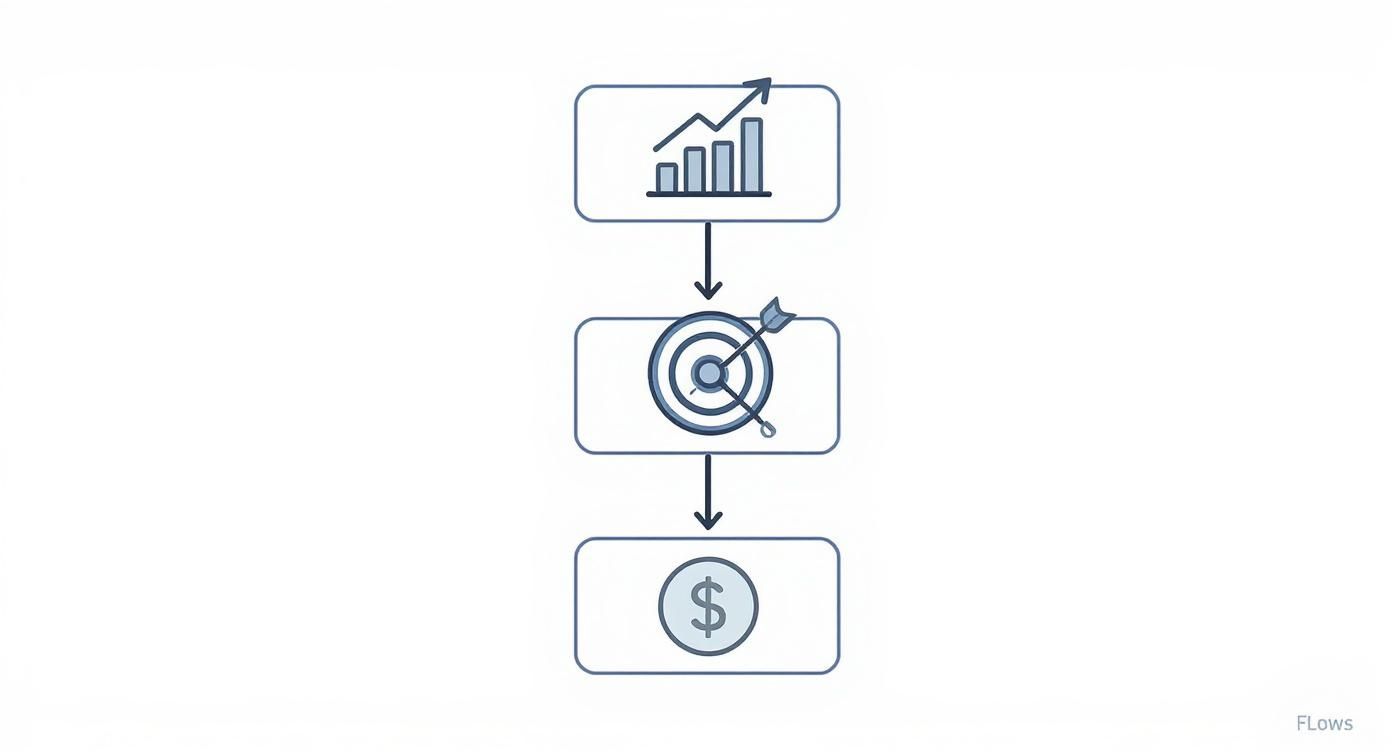
As you can see, getting clear on your KPIs, audience, and budget is the fastest way to figure out which type of agency is the right fit.
To make this decision even clearer, here’s a quick breakdown of how these two agency models stack up.
Comparing Full-Service vs Specialized Agencies
This table breaks down the key differences to help you decide which agency type best fits your business needs and marketing goals.
| Attribute | Full-Service Agency | Specialized (Boutique) Agency |
|---|---|---|
| Scope of Services | Wide-ranging (SEO, PPC, social, content, etc.) | Narrow and deep (e.g., only link building, or only B2B SaaS PPC). |
| Expertise Level | Broad knowledge across many channels; a "jack-of-all-trades." | Elite, focused expertise in one or two specific disciplines. |
| Ideal For | Businesses needing a comprehensive, integrated marketing strategy managed under one roof. | Businesses with a specific, critical need or a complex problem that requires a specialist. |
| Point of Contact | Typically an account manager who coordinates with various internal teams. | Often direct access to the specialist or founder doing the actual work. |
| Cost Structure | Often higher retainers due to the broader scope and larger overhead. | Can be more cost-effective for targeted projects, but high-end specialists command premium rates. |
| Agility | Can be slower to adapt due to established processes and larger team structures. | Highly agile and able to pivot quickly to respond to market changes or campaign data. |
Ultimately, there's no "better" option—only what's better for you. If you need a complete marketing overhaul, a full-service agency is a solid bet. But if your organic traffic has flatlined and you need a technical SEO wizard, a specialized firm is likely the smarter move.
Verifying Credentials and Talent
Beyond case studies, hunt for tangible proof of expertise. Certifications like Google Premier Partner or Meta Business Partner aren't just shiny badges. They mean an agency has met tough standards for client growth, ad spend, and platform knowledge.
It’s also critical to find out who will actually be working on your account—not just the slick salesperson who closed the deal. Ask to meet your day-to-day contact and get a feel for their specific experience.
A huge part of vetting an agency is making sure their skills mesh with your overall brand strategy. For instance, if your public perception is a major priority, it’s vital to understand the ins and outs of choosing the right reputation management services.
The digital advertising agency market is massive, projected to hit $58.2 billion in the U.S. by 2025. Search engine optimization is the biggest slice of that pie, followed by video and banner ads. This just goes to show how important it is to pick an agency that has proven chops in the services that will actually move the needle for you. If you realize that organic search is where you need to win, you might want to learn more about our focused SEO services. A little due diligence now ensures you hire a team with real skills, not just a convincing sales pitch.
Look Under the Hood: Evaluating an Agency’s Process and Communication
A flashy portfolio and some impressive case studies are great starting points, but they don’t tell you what it’s like to work with an agency day in and day out. The best agency partnerships feel like an extension of your own team. That kind of synergy only happens when there are solid processes and crystal-clear communication.
Frankly, how an agency operates is often a much better predictor of success than a list of past clients.
You need to dig into their workflow, from the initial kickoff to the final report. A vague, "one-size-fits-all" answer is a massive red flag. A top-tier agency will have a structured, transparent process for everything—onboarding new clients, hammering out a strategy, running campaigns, and showing you the results.

Unpacking Their Workflow and Rhythm
Don't be shy about getting into the nitty-gritty of their operational style. You’re trying to see if their rhythm matches your company’s culture. If you live and breathe on quick, informal Slack updates but they insist on rigid, bi-weekly scheduled calls, that friction can slowly grind a partnership to a halt.
This is your chance to learn how to choose a digital marketing agency that won’t leave you guessing. Ask specific questions to see how they manage their work and keep clients in the loop.
Here are a few key areas to probe:
- The Onboarding Playbook: Ask them to walk you through the first 30 days. What information do they need from your team? What are the key milestones you should expect to hit?
- Strategy Development: How do they get from your big-picture goals to an actionable campaign plan? A great agency will talk about a collaborative, data-driven approach, not some secret sauce they can't explain.
- Project Management Tools: Do they use established platforms like Asana or Monday.com, or maybe a proprietary client portal? This isn’t just about software; it’s a sign of their commitment to organization and transparency.
A well-defined process isn't about being rigid; it's about being reliable. It’s what ensures deadlines get met, feedback gets actioned, and everyone on both sides of the table knows exactly what’s expected of them.
Clarifying Communication and Reporting
This is where so many client-agency relationships fall apart. Misaligned expectations around communication can quickly lead to frustration and a feeling that you’re not a priority. It is absolutely critical to establish the ground rules for communication before you sign a contract.
For instance, a monthly PDF report might sound fine, but it often arrives too late to make timely adjustments to a campaign. Ask if they provide access to a real-time analytics dashboard where you can see performance metrics whenever you want.
Get absolute clarity on these points:
- Who is your main point of contact? Will you have a dedicated account manager, or will you be bounced between different specialists? A single, accountable point person is usually a recipe for success.
- What’s the communication cadence? Will you have weekly check-ins? Monthly strategy reviews? Get a predictable schedule on the calendar from day one.
- How are reports delivered and explained? A true partner won't just email you a spreadsheet full of numbers and call it a day. They'll walk you through the data, explain what it actually means for your business, and clearly outline the next steps based on those insights.
By digging into these practical, operational details, you move past the sales pitch. You get a real feel for how a potential partner works, ensuring you choose an agency that will fit seamlessly into your business and set you up for success in the long run.
Gauging Their Tech Stack and Adaptability
The digital world moves fast. A marketing partner using last year's playbook is already behind, and that makes them a liability to your growth. This is why you need to dig into an agency’s tech stack and, more importantly, their ability to adapt to what’s coming next.
It’s not just about what they do now; it's about how they prepare for the future.
Start by asking about their specific marketing technology (martech) stack. What tools are they using for analytics, automation, and campaign management? You'll hear names like Semrush, Ahrefs, or HubSpot, but a great agency won't just list them off. They'll explain why they chose those specific tools and how they wire them together into a strategy that actually benefits their clients.

Probing for a Forward-Thinking Mindset
Beyond their current tools, you need to get a feel for how they approach new trends. This isn't just a box-checking exercise; it’s a window into their culture of innovation. Are they actively experimenting, or are they waiting for everyone else to figure it out first?
To get a real answer, ask pointed questions about major industry shifts:
- Generative AI: How are they using AI in their content workflows or for data analysis?
- Cookieless Future: What's their proactive strategy for navigating the end of third-party cookies?
- Algorithm Updates: Can they talk about a recent Google update and how they adjusted client strategies?
If their answers are vague here, they might be behind the curve. It's a good idea to arm yourself with some knowledge beforehand; our guide on technical SEO best practices is a great place to start.
An agency that can articulate a clear, forward-thinking perspective on these issues is one that won't just keep up—it will keep you ahead of your competitors.
Recent data really brings this home. A survey of over 220 agency leaders found that 73% believe generative AI has fundamentally changed SEO. That's a huge signal that agencies must innovate beyond the old tactics.
Plus, with 71% of marketers planning to invest over $10 million in AI in the next three years, partnering with an AI-savvy agency is quickly becoming non-negotiable. An agency that is actively learning and adapting is your best defense against being left behind. You can see more insights in the 2025 marketing agency industry trends report.
When you're evaluating their tech capabilities, see if they’re using solutions like the best AI tools for marketing to squeeze every last drop of ROI out of their campaigns. This is the kind of partner who will protect you from becoming irrelevant.
Asking the Right Questions Before You Commit
The final conversations with your shortlisted agencies are where the real truth comes out. This is your chance to move past the polished sales pitch and dig into the character, accountability, and actual capabilities of a potential partner. The right questions can reveal more in ten minutes than a glossy case study ever could.
Forget asking if they get results. Instead, ask them to detail a time they didn't.
That one question completely shifts the dynamic. It’s a direct test of their transparency and shows you exactly how they handle accountability when things don’t go perfectly to plan.
Digging Into Campaign Strategy and Failures
A confident, experienced agency won't shy away from discussing past challenges. In fact, they'll see it as an opportunity to prove their problem-solving skills and show they're committed to learning from every campaign. How they answer tells you everything you need to know about their culture.
Here are a few specific questions to get past the surface-level answers:
- "Walk me through a campaign that missed its initial goals. What happened, what did your team learn, and how did you pivot?" This peels back the curtain on their course-correction process and their willingness to own mistakes.
- "If our performance stagnates after three months, what's your exact plan of action?" This tests their proactivity. You want a partner with a plan, not one who just waits for you to sound the alarm.
- "How do you balance long-term brand building with the need for short-term lead generation?" This reveals if they truly understand the bigger picture or if they're just laser-focused on a single vanity metric.
A great answer will be packed with data, specific adjustments they made, and a clear explanation of how they communicated the issue to the client. A huge red flag is hearing them blame the client, the algorithm, or "market conditions" without taking any real ownership.
Clarifying Contracts, Pricing, and Client Retention
The nuts and bolts of the partnership are just as critical as their marketing savvy. Vague answers on pricing or rigid, inflexible contract terms are major warning signs. You're looking for a partner who is transparent and confident enough in their value to offer reasonable terms.
A high client retention rate is one of the most powerful, unspoken testimonials an agency can have. It signals that they consistently deliver value and maintain strong relationships long after the ink on the initial contract has dried.
Make sure to ask these direct questions about the business side of the relationship:
- What is your average client retention rate and the typical length of a client partnership? A high churn rate is a bad sign. It suggests they might be great at sales but fall short on execution and client service.
- Can you provide a detailed breakdown of your fees? What exactly is included in the retainer, and what would be considered an out-of-scope cost? Full transparency here prevents surprise bills down the road and ensures everyone is on the same page from day one.
- What are the terms for ending our contract if the partnership isn't a good fit? An agency that truly believes in its ability to deliver won't try to lock you into an ironclad 12-month contract right out of the gate. Look for a 90-day out clause after an initial trial period.
This is your chance to get everything on the table before making a final decision. To help you stay organized and compare agencies apples-to-apples, we've put together a checklist of essential questions.
Essential Questions for Your Agency Shortlist
Use this table as a consistent scorecard for every agency you interview. It ensures you're covering all the critical bases—from strategy and communication to the fine print in the contract.
| Category | Question to Ask |
|---|---|
| Strategy & Expertise | "Walk me through a campaign that missed its initial goals. How did you pivot and what did you learn?" |
| Strategy & Expertise | "How do you balance long-term brand goals with our immediate need for leads and sales?" |
| Communication | "Who will be my day-to-day contact, and what is their level of experience?" |
| Communication | "What does your reporting look like? Can I see an example dashboard or report?" |
| Performance & KPIs | "If we're not hitting our goals by month three, what is your specific plan of action?" |
| Performance & KPIs | "How do you define success for a client like us, and which metrics will you prioritize?" |
| Contracts & Pricing | "What is your average client retention rate and the typical partnership length?" |
| Contracts & Pricing | "Can you provide a line-item breakdown of your fees and what is considered out-of-scope?" |
| Contracts & Pricing | "What are the terms for ending the contract if things aren't working out?" |
| Team & Culture | "Describe your agency's culture. How does your team collaborate on client accounts?" |
Getting clear, straightforward answers to these questions is non-negotiable. It equips you to make a final decision based on substance and mutual trust, ensuring you know exactly who you’re getting into business with before you sign anything.
Avoiding the Common Traps When Hiring an Agency
Even after you've done your homework and shortlisted a few promising agencies, there are some classic hurdles that can trip up even the most prepared business owner. This is the stage where you have to look past the sales pitch and get real about the nuts and bolts of the partnership.
Getting clear on things like pricing, contracts, and potential red flags before you sign on the dotted line is what separates a successful partnership from a six-month headache. Let's dig into the big ones.
Spotting the Red Flags Before You Commit
You've got to trust your gut, but you also need to know what to look for. Some agency behaviors are universal warning signs that scream "run the other way." They often point to a lack of real expertise or, worse, a lack of transparency.
Keep an eye out for these tell-tale signs:
- Vague Promises or Outright Guarantees: If an agency "guarantees" you a #1 spot on Google or promises a ridiculous, specific ROI in 30 days, be very skeptical. Real digital marketing is influenced by algorithm updates, competitor moves, and market shifts. Anyone offering absolute certainty isn't being honest.
- A Lack of Deep Questions: A great agency partner acts like a consultant. They should be intensely curious about your business model—your profit margins, customer lifetime value, biggest operational bottlenecks. If they're not asking these tough questions, they're just planning to plug you into their standard, one-size-fits-all playbook.
- Hiding the Actual Team: This is a big one. If an agency won't let you speak directly with the people who will actually be working on your account, it could mean a few things. Maybe they have a high turnover rate, or perhaps they're outsourcing the real work to junior staff or contractors. You deserve to know who you'll be collaborating with day-to-day.
Making Sense of Agency Pricing
"So, what's this going to cost me?" It’s the million-dollar question, and the answer is almost always, "It depends." Agency fees can be all over the map, depending on what you need, how experienced the agency is, and the results you're after.
For a small business, a monthly retainer could start around $1,500 for some basic SEO or social media work and easily climb past $15,000 for a full-blown, multi-channel growth strategy. You'll also see project-based fees for things like a new website build, or hourly consulting rates anywhere from $150 to over $300.
Here's the critical mindset shift: stop looking for the cheapest agency. Start looking for the one that offers the best value and the clearest path to a return on your investment. The cheapest option almost never drives the most growth.
Talking Contracts and Commitments
Contract length is another common point of friction. Most reputable agencies will propose an initial contract of 3 to 6 months. This isn't about locking you in; it's about having enough time to actually get work done. SEO, for example, takes time. You need a few months to implement a strategy, collect meaningful data, and start seeing real traction.
After that initial period, many agencies will happily move to a month-to-month agreement. This gives everyone flexibility and keeps the agency accountable for delivering results.
Be wary of anyone pushing a rigid 12-month contract from day one, especially without a trial period or a clear track record of success with a business like yours. A confident agency knows their work will speak for itself—they don't need to trap you in an ironclad deal.
Ultimately, getting past these hurdles comes down to asking the right questions and demanding transparency. When you address these common issues head-on, you can walk into a new partnership feeling confident that you've done your due diligence and are ready to focus on what really matters: growing your business.
Ready to partner with a digital marketing agency that delivers measurable growth and a clear ROI? Gidds Media combines custom web design, expert SEO, and strategic Google Ads management to turn your website into a 24/7 salesperson. Get your free, no-pressure SEO audit today. Find out more at https://giddsmedia.com.